
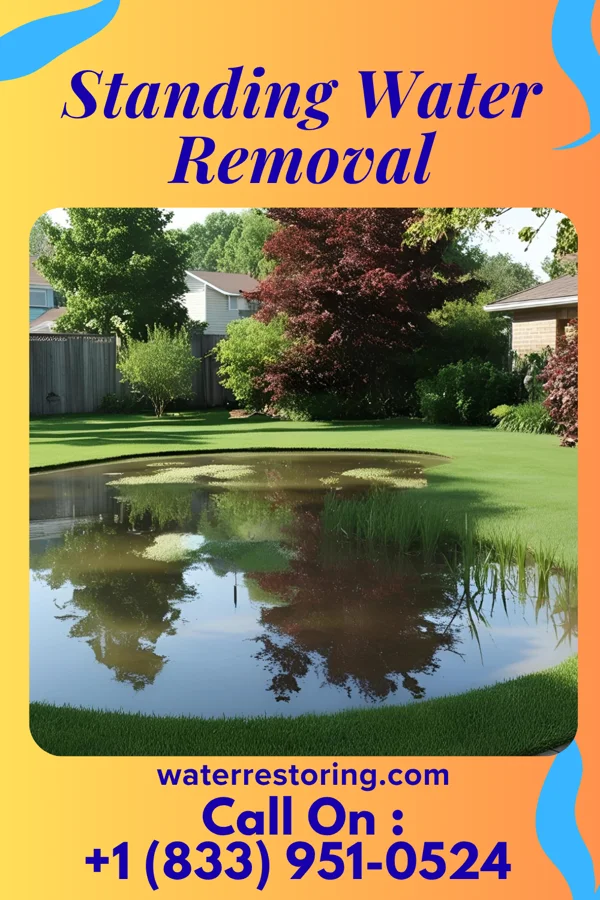
Clayville Standing Water: What Owners Should Know
Residential or commercial, water damage emergencies in Clayville keep coming back to the same drivers. In Clayville, New York, water damage often stems from burst pipes during the harsh winter months, particularly in older homes with outdated plumbing systems. Additionally, heavy spring rains can lead to flooding in low-lying areas near the Oneida River, affecting both residential and agricultural properties. sits at the top of the list. A close second is Secondary causes include leaking roofs due to aging infrastructure, sewer backups during extreme weather events, and improperly maintained septic systems in rural areas. These issues are more prevalent in the rural neighborhoods of Chadwicks, Washington Mills, and West Winfield..
Clayville's rural setting and proximity to the Oneida River make it vulnerable to seasonal flooding and extreme weather events. The area experiences cold winters and heavy spring rains, which can lead to prolonged water exposure and increased mold risk.
Water damage in Clayville follows a few local patterns. In Clayville, New York, water damage often stems from burst pipes during the harsh winter months, particularly in older homes with outdated plumbing systems. Additionally, heavy spring rains can lead to flooding in low-lying areas near the Oneida River, affecting both residential and agricultural properties. accounts for the bulk of our calls. Clayville's rural setting and proximity to the Oneida River make it vulnerable to seasonal flooding and extreme weather events. The area experiences cold winters and heavy spring rains, which can lead to prolonged water exposure and increased mold risk. Mold growth in Clayville can occur rapidly due to the region's humid summers and frequent rainfall, especially in poorly ventilated homes. Prompt water damage restoration is critical to prevent long-term health and structural issues.
For public guidance on the health effects of mold after prolonged water exposure, see the EPA mold and health page.